
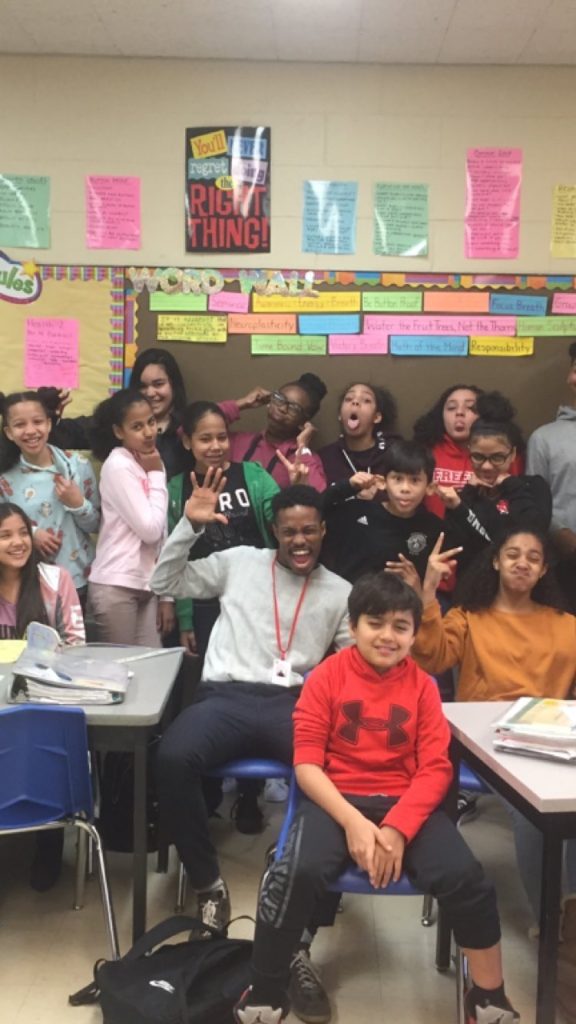
The Heart of Social Skills: Building Meaningful Connections
When parents consider social skills, their minds often jump to basic mechanics like making eye contact, taking turns when speaking, or knowing...
Aug 15, 2026In a world full of alerts, deadlines, and distractions, most of us are running on empty. But one of the most powerful tools for emotional regulation in children is right under our nose—literally. Your breath, and the energy behind it,...
 SteerFounder, INITY
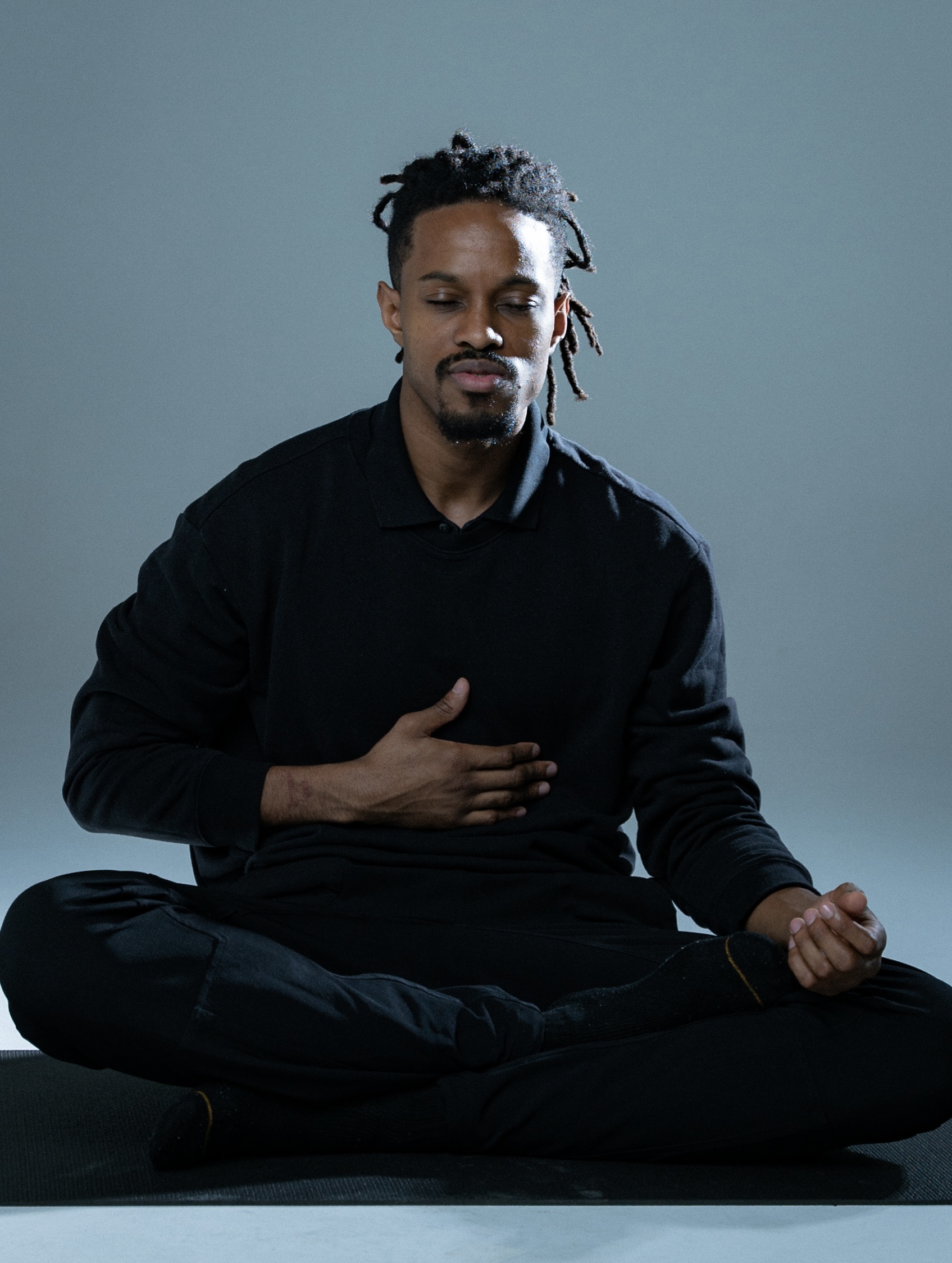
In a world full of alerts, deadlines, and distractions, most of us are running on empty. But one of the most powerful tools for emotional regulation in children is right under our nose—literally.
Your breath, and the energy behind it, can be one of the simplest and most effective ways to refill your child’s energy tank before burnout. Scientific research shows that helping kids pause, breathe, and reflect improves their ability to manage emotions, relate to others, and feel a stronger sense of belonging at home, in school, and in life.
Slowing the breath does more than “calm down” the body. It activates the parasympathetic nervous system—the body’s natural rest-and-recovery mode. When children access this system, they can regulate emotions, think clearly, and respond more thoughtfully.
Even short breathing or mindfulness moments throughout the day can build emotional control, attention, and connection.
Recent studies highlight the impact of breath and mindfulness-based practices on children’s mental and emotional health:
Together, these findings show that pausing is not just a calming tool—it’s a foundation for social–emotional learning.
Children who learn to pause are better able to:
Even a 60-second pause after school can shift the tone of an entire evening. When practiced regularly, these moments create a buffer between feeling and behavior, helping children navigate sibling conflicts, test anxiety, and friendship challenges with greater confidence.
You don’t need a full mindfulness routine to start. Try these:
And when your child takes a breath before responding or steps away before yelling—celebrate it. That’s emotional growth in action. Each pause strengthens the brain’s ability to self-regulate and connect.
Teaching kids to pause doesn’t just help them feel calm—it helps them feel seen, safe, and capable of connection, even when emotions run high.
In that pause is power. And often, healing.
Chris Steer, B.S., MPH
CEO & Coach, INITY

Written by Steer
Steer founded INITY to teach calm and focus as everyday skills. He coaches young people, leaders and teams, and runs workshops for schools and organizations.
Schedule a free consultationWhen parents consider social skills, their minds often jump to basic mechanics like making eye contact, taking turns when speaking, or knowing...
Aug 15, 2026
Many young people today are disconnected from themselves without realizing it. The noise of this world makes that easy. The internet spins...
Oct 13, 2026
Most young people today are carrying more than they know how to process. The emotional weight of this moment in history is...
Oct 6, 2026