

Why Pausing Helps Kids Regulate Emotions and Connect Better
In a world full of alerts, deadlines, and distractions, most of us are running on empty. But one of the most powerful...
Nov 3, 2025When parents consider social skills, their minds often jump to basic mechanics like making eye contact, taking turns when speaking, or knowing how to speak politely. While these are foundational skills, these behaviors are not the end goal. The true...
 SteerFounder, INITY
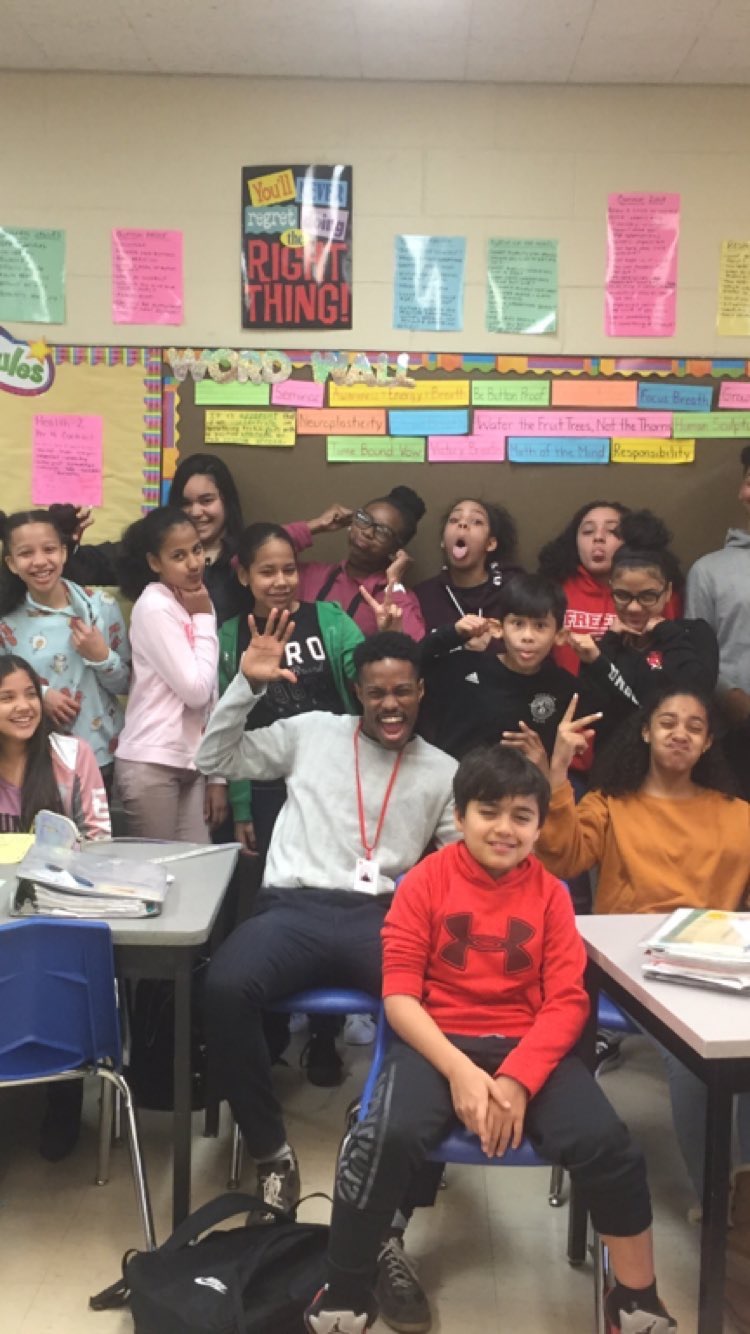
When parents consider social skills, their minds often jump to basic mechanics like making eye contact, taking turns when speaking, or knowing how to speak politely.
While these are foundational skills, these behaviors are not the end goal.
The true purpose of social skills is building authentic, human connection. Teaching social skills through the lens of connection helps students understand not just how to interact, but why those interactions matter. Prioritizing connection fosters deeper friendships, mutual trust, confidence, and a genuine sense of belonging.
Human beings are fundamentally wired for connection. Extensive research demonstrates that strong interpersonal relationships enhance emotional resilience, overall well-being, self-worth, and life satisfaction.
Students who feel connected are better equipped to:
Basic social rules like saying “thank you,” asking questions, or making eye contact, lay the groundwork for positive interaction. However, building real relationships requires higher level skills that deepen connection over time. Mastering these core abilities supports healthy peer relationships today and professional success in the future:
These skills convert fleeting interactions into meaningful bonds through small, everyday habits:
Strong friendships are rarely established overnight; they are cultivated through consistent acts of care, trust, and sincere interest.
To connect deeply with others, students must first understand themselves. Developing self-awareness provides the internal grounding necessary for healthy relationships, enabling students to:
A child’s relationship with themselves forms the foundation for how successfully they engage with the world.
Children learn connection primarily by observing the key adults in their lives. Parents, educators, and coaches foster strong relationships when they model key behaviors:
When connection lies at the center of social learning, social skills evolve from mere etiquette into powerful tools for building strong communities, lasting friendships, and meaningful lives.
Chris Steer, B.S., MPH.
CEO & Coach, INITY
Baumeister, R. F., & Leary, M. R. (1995). The need to belong: Desire for interpersonal attachments as a fundamental human motivation. Psychological Bulletin, 117(3), 497–529.
Cacioppo, J. T., & Hawkley, L. C. (2009). Perceived social isolation and cognition. Trends in Cognitive Sciences, 13(10), 447–454.
Lieberman, M. D. (2013). Social: Why Our Brains Are Wired to Connect. Crown Publishers.
Harvard Study of Adult Development. Research on relationships, health, and well-being. Harvard University.

Written by Steer
Steer founded INITY to teach calm and focus as everyday skills. He coaches young people, leaders and teams, and runs workshops for schools and organizations.
Schedule a free consultationIn a world full of alerts, deadlines, and distractions, most of us are running on empty. But one of the most powerful...
Nov 3, 2025
Many young people today are disconnected from themselves without realizing it. The noise of this world makes that easy. The internet spins...
Oct 13, 2026
Most young people today are carrying more than they know how to process. The emotional weight of this moment in history is...
Oct 6, 2026